Personal details
Information about your loved one, including their full name, date of birth and passport details. We’ll also ask for any documents you’ve received from local authorities, hospitals or police.

If a loved one dies while they’re interstate or overseas, we’ll help you bring them home.
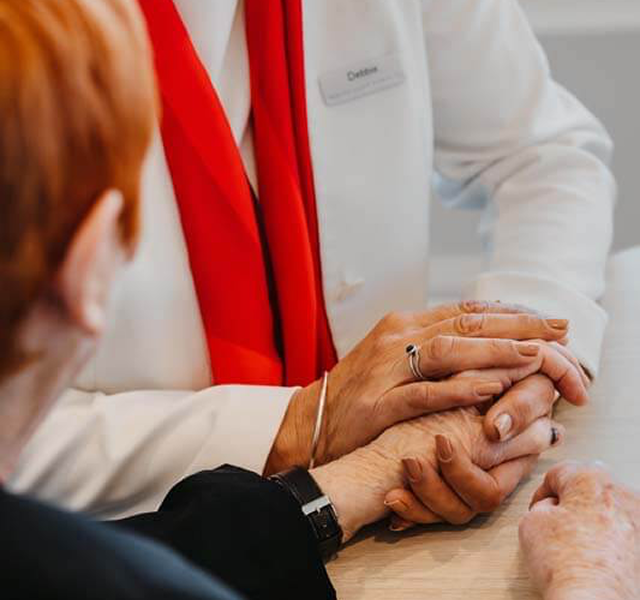
If your loved one dies interstate or overseas, you can call us anytime and we’ll help bring them home. We’ll coordinate the arrangements on your behalf, working with funeral directors, authorities and transport providers to complete the necessary paperwork before they travel.
We’ll keep you informed throughout the process and bring your loved one into our care when they arrive. From there, your Funeral Specialist will be there to help you plan their funeral.
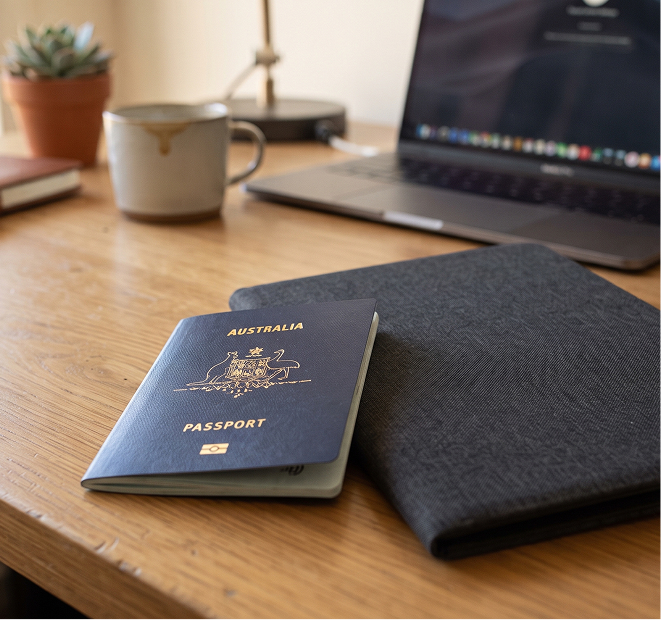
The process will depend on whether your loved one died interstate or overseas, and whether they are brought home for burial or cremation, or cremated overseas with their ashes returned to Australia.
Interstate repatriation is generally more straightforward, with your loved one travelling by road or air within Australia. International repatriation can involve additional legal requirements and documentation in the country where your loved one died, as well as requirements for bringing them into Australia.
Repatriation can involve a number of practical, legal and administrative requirements.

1. Contact us
If a loved one has died overseas, call us straight away. We’ll talk through your options, explain the next steps, and start the process of repatriation.
2. We coordinate the arrangements
We’ll work with funeral directors, authorities and transport providers to coordinate the necessary paperwork and travel arrangements. For international repatriation, this may include fulfilling requirements in the country where they died.
3. We bring your loved one home
Once the necessary requirements are complete, we’ll arrange the journey home and bring your loved one into our care. Your Funeral Specialist can then help you plan their funeral.
There are a few decisions to make before your loved one comes home. The rest can wait until they’re in our care.
These decisions will help determine what needs to happen before your loved one can make the journey home.
You can bring your loved one home for their funeral, hold the funeral where they are, or arrange for them to be cremated there and bring their ashes home.
We’ll need to understand who is authorised to make decisions and complete any required paperwork.
If your loved one had travel insurance, contact their insurer as soon as possible. Their policy may cover some repatriation costs or help coordinate the arrangements.
Once your loved one is back in our care, you can focus on how you’d like to say goodbye.
If you’d like to spend some private time with your loved one before the funeral, your Funeral Specialist can arrange a viewing.
If this hasn’t already been decided, we’ll talk you through the options for burial or cremation.
When you’re ready, we’ll help you plan a funeral service that reflects your loved one and the life they lived.
If your loved one dies overseas, contact us as soon as you can and we’ll help you understand what needs to happen to bring them home.
If they had travel insurance, you should also contact their insurer as soon as possible, as they may help coordinate the arrangements and cover some or all of the costs. The nearest Australian embassy, high commission or consulate can also provide guidance on local processes and help you communicate with local authorities.
We’ll work with the relevant people and organisations to coordinate your loved one’s repatriation to Australia.
The information and documents needed will depend on where your loved one died and the circumstances. We’ll let you know what’s required.
Information about your loved one, including their full name, date of birth and passport details. We’ll also ask for any documents you’ve received from local authorities, hospitals or police.
Your contact details and relationship to your loved one, as well as details of the family member or person authorised to make decisions about their arrangements.
If your loved one was travelling overseas, we may need their travel insurance details and information about their travel arrangements.

You can bring your loved one home for burial or cremation in Australia, or arrange for them to be cremated where they died and bring their ashes home. We’ll talk you through both options and arrange what’s required.
The time and cost of repatriation will depend on where your loved one died, how they will be brought home and the legal and transport requirements involved. We’ll explain the expected timeframe and costs based on your circumstances.
Bringing your loved one home for burial or cremation in Australia involves coordinating the required documentation, preparation and transport. The timeframe and cost will vary depending on the country, circumstances and travel arrangements.
If your loved one is cremated where they died, bringing their ashes home generally involves fewer transport and Australian biosecurity requirements. Local laws and airline or courier requirements may still apply.


Arrangements made overseas can be hard to undo and costly to change. One call to us first, day or night, and we'll tell you what to do next.
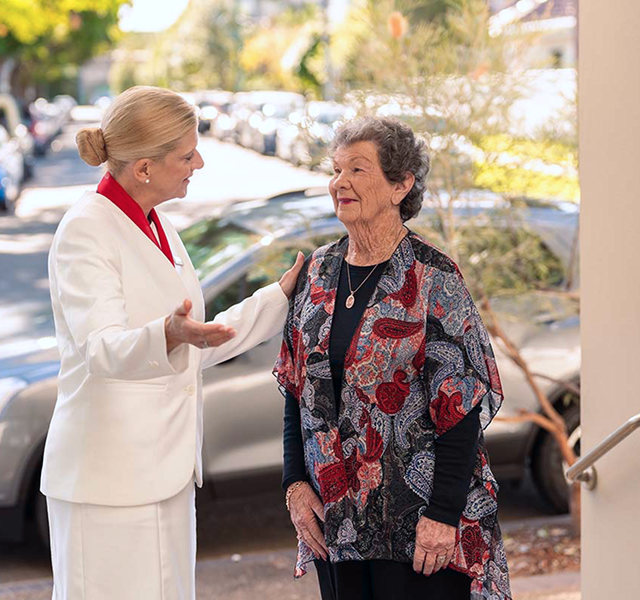
When your loved one arrives home, we’ll bring them into our care. From there, your Funeral Specialist will help you arrange a viewing if you wish, and plan a funeral service that feels right for your loved one and your family.

Whether your loved one’s farewell will include traditional rituals, modern touches or a blend of both, we plan funeral services for families from all cultural, religious and personal backgrounds.