Your guide to death certificates

Funeral Planning
12 April 2026 • 10 minutes

Our caring collective of Funeral Directors are here to support you and your family as you prepare to say goodbye. Together, we’ll plan a meaningful, personalised service that captures the unique spirit of your loved one. Taking care of every detail, giving you time and space to begin to heal.

What is a death certificate?

A death certificate is a formal document confirming that a person has died. In Australia, death certificates are produced by the state government and stored as an official record of their life, along with their birth and marriage certificate (if applicable). 

The death certificate provides proof of death, which is important for managing your loved one's affairs after they’re gone. It can also help you cancel any services or accounts they held while they were alive. 

The death certificate is different to the ‘cause of death’ certificate a doctor will produce after assessing the person who’s died. This document is officially called a Medical Certificate of Cause of Death (MCCD) and is usually completed and sent to the Registry of Births, Deaths and Marriages within 48 hours of death.

How do you apply for a death certificate? 

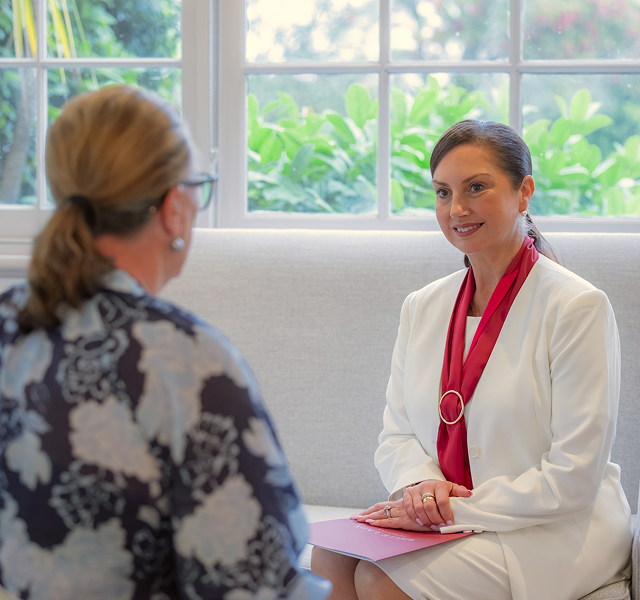
We know paperwork is the last thing you want to deal with, so your Funeral Director will take care of this for you. They’ll sit down with you to gather the required information. Then, they’ll send off the forms within seven days of the burial or cremation. It can take several weeks to receive the official death certificate, but we’ll chase things up if need be. 

Remember, this is something we take care of every day. So, if there’s anything else we can take off your shoulders, all you have to do is ask.

Details you’ll need for the death certificate

​​When you meet with your Funeral Director, we’ll ask about your loved one. We’ll need the following details to complete their death certificate:

  • Full name
  • Date of birth
  • Place of death (full address of hospital or residence)
  • Residential address
  • Occupation
  • Marital status at the time of death
  • All marriages (place of marriage – city, state and country, full name of spouse, age at the time of marriage)
  • Parents’ names and occupations, including mother’s maiden name
  • Children’s names, dates of birth and ages
  • Your relationship to the person who’s died

Third, let close family and friends know

When you’re ready, you can begin to inform friends and family of your loved one’s passing. If it feels overwhelming, ask a relative or trusted friend to help with calls or messages. There’s no need to notify everyone straight away; focus on those closest first.

What happens next?

After your loved one is in the care of a trusted funeral provider, you can begin to gather documents and information to help you through the next steps.

Locate the key documents

When someone dies, it’s important that a close family member or Executor gathers identification documents and any paperwork that might outline your loved one’s wishes. Documents and information to gather includes:

  • Full name, date of birth, place of birth, last known address
  • Birth and marriage certificates (where applicable)
  • Will or prepaid funeral plans documents (where applicable)
  • Insurance policies
  • Superannuation details
  • Any known final wishes (if documented)

Gathering this information helps with many of the practical and administrative tasks ahead.

Consider your loved one’s wishes

There are some important decisions to be made over the coming days and weeks. Things like whether burial or cremation is the right choice, the type of service, and more. Unless your loved one left clear instructions, it can be hard to know what they would’ve wanted. 

If you believe your loved one had their preferences written down, or had a prepaid funeral plan in place, try to locate that documentation to ensure you’re able to carry out their wishes. If you’re unsure, we suggest speaking to close family members and friends to get a sense of what feels right.

After your loved one’s ashes are returned to you, you can decide what you’d like to do with them. Many families choose to keep them close by displaying the urn in their home, while others scatter their ashes in a special place, like their favourite beach or lookout. 

At White Lady Funerals, we support families with care, compassion and respect. If you have any questions or need more personalised advice, please get in touch.

Here for you, always

We’re here to support you at every step. Our collective of women Funeral Directors are highly experienced, caring professionals who understand the pain of losing a loved one. We’ll help carry your burden, so you can focus on healing before, during and after the service.

White Lady funeral directors
White Lady Funeral Director
We're ready to help

Speak with one of our funeral directors

For nearly four decades, families have trusted White Lady to walk beside them. If you need us now, we are here.